It may sound like a simple task, but rotating and flipping your mattress is an effective way of extending your mattress’ lifespan. Typically, mattresses tend to last around 7-10 years - with the right maintenance and care, it could last even longer if you regularly rotate it. 

Many mattresses end up in landfills each year in the UK, so looking after your mattress and not replacing it as often is a great way to reduce waste and become more environmentally conscious. 

You can get the most out of your money, protect the environment and improve your sleep quality, all with the simple regular habit of rotating your mattress - it transforms the way you maintain your bedding. 

In this guide, we’ll delve into the importance of mattress rotation, its benefits, signs your mattress needs to be rotated, how it affects different types of mattresses, as well as reasons why it’s great for improved sleep and some further steps you could take to maintain it. So, why don’t we take a look and explore how you can get the most out of your mattress with this simple trick? 

The Benefits Of Mattress Rotating

There are so many benefits when it comes to rotating your mattress. We’ve touched on how rotating your mattress protects the environment and how you can get the most out of your money, but rotating your mattress 180° can also contribute to better spinal alignment as the weight across the mattress becomes more evenly distributed. 

If you’re a hot sleeper, rotating your mattress is a good tip as it spreads out the temperature more evenly. This improved air circulation is also great for those with allergies, making you less exposed to dust and debris that triggers your symptoms. 

Rotating your mattress can also minimise motion transfer and noise, allowing you to have many nights of uninterrupted sleep. 

Signs Your Mattress Needs Rotating

As your mattress gets older, it eventually begins to show some signs of wear and tear. These signs are easily identifiable and become markers to let you know that your mattress is in need of flipping. 

Strip your mattress and inspect if there are any sags or dips across it - this is a big sign that your mattress is on its way to losing some of its strength over time. Simply rotate it 180° so you can evenly distribute the weight. It’s a simple yet important trick to make sure that your mattress doesn’t sag even more over time, making it last a little bit longer. 

Another sign that your mattress might need flipping is if you find yourself regularly waking up with aches and pains. This could be caused by an uneven mattress surface, which contributes to less support and inadequate spinal alignment. So, rotating your mattress can be a quick temporary solution before it comes to the time when you decide to replace it. 

Finding yourself rolling into one position or into the centre of the mattress is another telltale sign that it could do with a bit of rotation. The uneven slope means that the mattress has become worn unevenly, so you may find that your sleep quality has improved after rotating it.  

If these signs aren’t visible and you’re not waking up with aches and pains, it’s a good sign that your mattress is still relatively new and sustaining its strength. We recommend that it’s still worth rotating your mattress if it’s been more than 3 months or so, as it can really help to prevent those indentations that appear over time.

The Science Behind Rotating Your Mattress

We offer a wide range of mattresses to our customers, which cater for different needs and are made from different materials and technologies. They all have one thing in common, and that is how they need to be rotated every 3 months or so. Different mattress types can benefit from being rotated, so why don’t we take a look at how each mattress responds to this simple trick?

Orthopaedic Mattresses

The orthopaedic mattress is designed with springs, featuring pressure relieving properties which typically help alleviate back and neck pain as it contributes to improved spinal alignment. Despite their ample support, they still need rotating every 3 months or so, in order for it to truly maintain its shape, comfort and support. 

When you sleep on the same spot every night, the pressure on the mattress can eventually wear down and compress the coils and springs inside over time. Rotating it can really make a difference when it comes to maintaining the tension of the mattress.

Memory Foam Mattresses

Memory foam mattresses are designed with layers of spongy latex materials, with high viscosity. This means they get to know your body’s shapes and contours over time, so they’re great for those who have preferred sleeping positions. 

For this reason, we highly recommend that you flip your memory foam mattress 180° every 3 months or so, since they are quite prone to sagging, dips and indentations over time.  

Memory foam mattresses are also very responsive to temperature and are often heat absorbent due to these compact spongy layers. Rotating the mattress can help spread the heat across it in different areas, so it doesn’t get too warm in one spot and starts dipping.

Pocket Spring Mattresses

Our pocket spring mattresses are made with individually enclosed springs that are wrapped in fabric, creating reduced motion transfer and noise. This makes them great for couples who like nights of uninterrupted sleep, as they don’t feel their partner’s movements as much during the night. 

These mattresses can also really benefit from being rotated, as it evens out the pressure of the springs inside the mattress that you’ve laid on. Similarly to the memory foam and orthopaedic mattress, rotating it 180° can also contribute to better airflow through the mattress, which is ideal if you’re a hot sleeper. 

Why It’s Great For Improved Sleep Quality

Rotating your mattress is great for improved sleep quality for a number of reasons. We’ve mentioned previously that it can prevent a lot of sags and dips in the mattress, which ultimately helps with better spinal alignment, therefore giving you enhanced sleep quality. So, let’s take a look into some other factors on how rotating your mattress can give you a better night’s sleep. 

The first benefit is how rotating your mattress can prevent uninterrupted sleep for both you and your partner. If your mattress is getting old and has an uneven surface, you are more likely to feel your partner’s movements during the night. So, who knew that this simple trick could give you and your partner an improved night’s sleep? 

Another benefit for rotating your mattress is how it promotes improved air circulation. If you’re a hot sleeper, you’ll probably find that you’ll benefit from rotating your mattress every so often to evenly distribute the temperature. This is also ideal if you’re someone who's susceptible to allergies and you find yourself sneezing often, as the improved airflow can help with the hygiene of the mattress. 

Rotating your mattress regularly improves your sleep even for simple psychological reasons - just knowing that your mattress is maintained and you have a comfortable sleeping environment reduces stress and anxiety, allowing you to get to sleep quicker.  

Mattresses Than Can Be Flipped On Their Side

Some of our mattresses not only can be rotated 180°, they can also be flipped on their side completely. An example of this is the Ortho Support Quilted Dual Sided Orthopaedic Mattress.  They’re durable, high-quality mattresses that allow you to distribute the pressure across it even more by flipping it on its side. 

Flipping the mattress on its side means that you can ensure that the corners, entire surface and edges are evened out, spreading the pressure across your mattress even more than just the standard way of rotating it 180°. 

Common Mistakes To Avoid When Rotating Your Mattress

There are a few common mistakes when it comes to rotating your mattress, so they’re great pointers to take into consideration. 

Not every mattress can be flipped completely on its side, so it’s important to double check to see if it’s compatible for this. However, if you have a mattress that can only be rotated, you can rotate it more often than 3 months if you feel that it needs it, to really make sure that sagging and dips are prevented. 

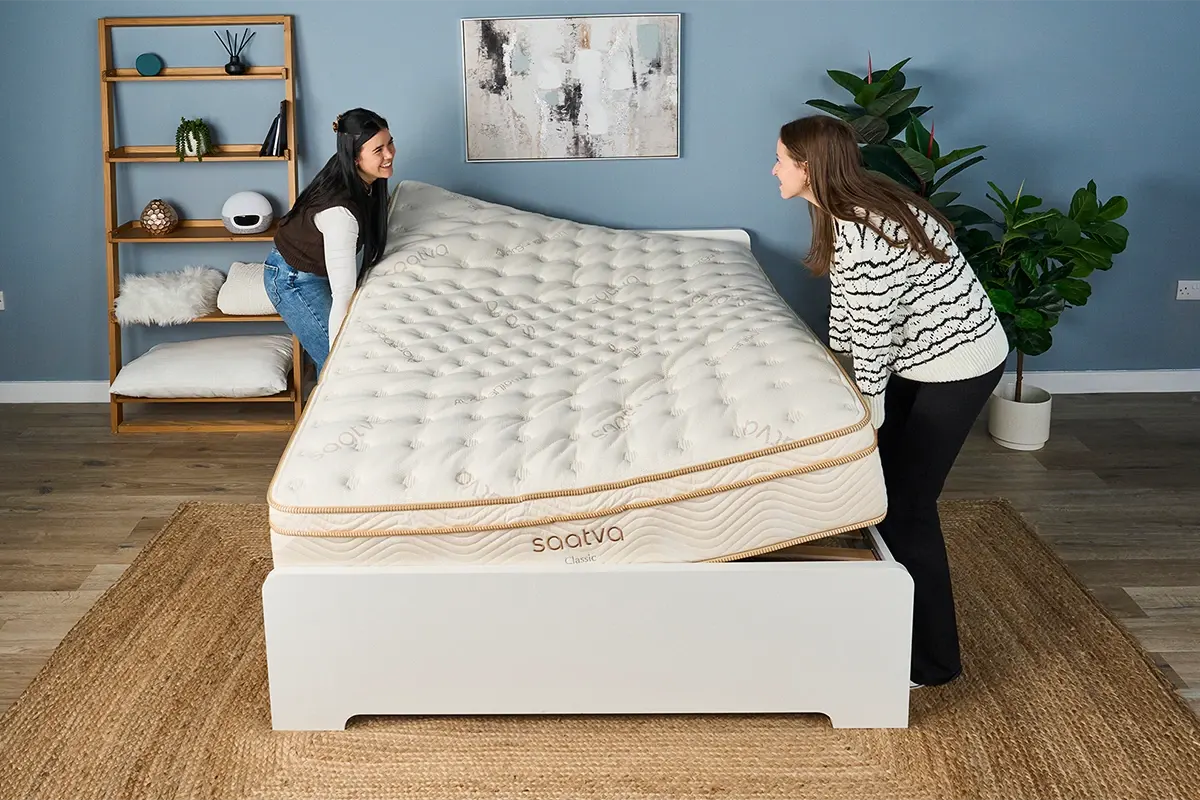
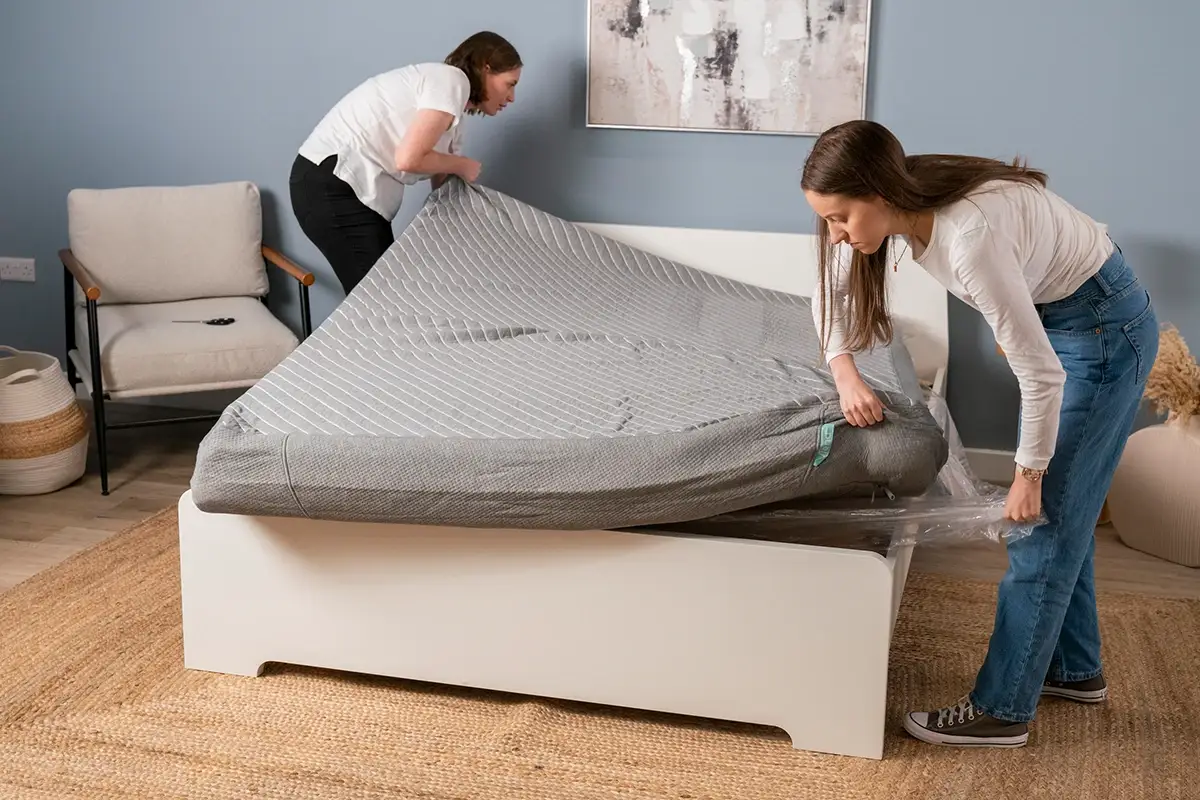
Another common mistake when it comes to rotating your mattress is using the incorrect technique. Twisting and dragging the mattress could potentially cause a little bit of damage to its foam layers, so lifting it gently is a great way to ensure that the materials don’t  get snagged. 

Before rotating your mattress, be sure to clean it as some dust and debris can build up over time. 

Further Steps You Could Take To Prolong Your Mattress’ Lifespan

Rotating and flipping your mattress is an essential step for evenly distributing the weight across it over time, and you can also take some other steps to care and maintain your mattress. 

To prevent more sagging and dips across your mattress, a great tip is to ensure that the slats of your bed are no more than 3 inches a part. This helps prevent your mattress sinking between the slats, which are other causes of indentations in your mattress’ surface. 

Regularly vacuuming your mattress with an upholstery attachment is a great way to get rid of the build up of hairs, dust and debris that accumulates over time.

Begin Rotating Your Mattress

After reading this guide, we hope you have a better understanding on reasons why rotating your mattress is important. We’ve covered topics such as how rotating your mattress can prolong its lifespan, how different types respond to this trick, how dual sided mattresses make a great option and how to maintain them even more. Why not take a look at some more of our guides on how to care and clean your mattress?